zhangxinyue ・ Aug. 11, 2025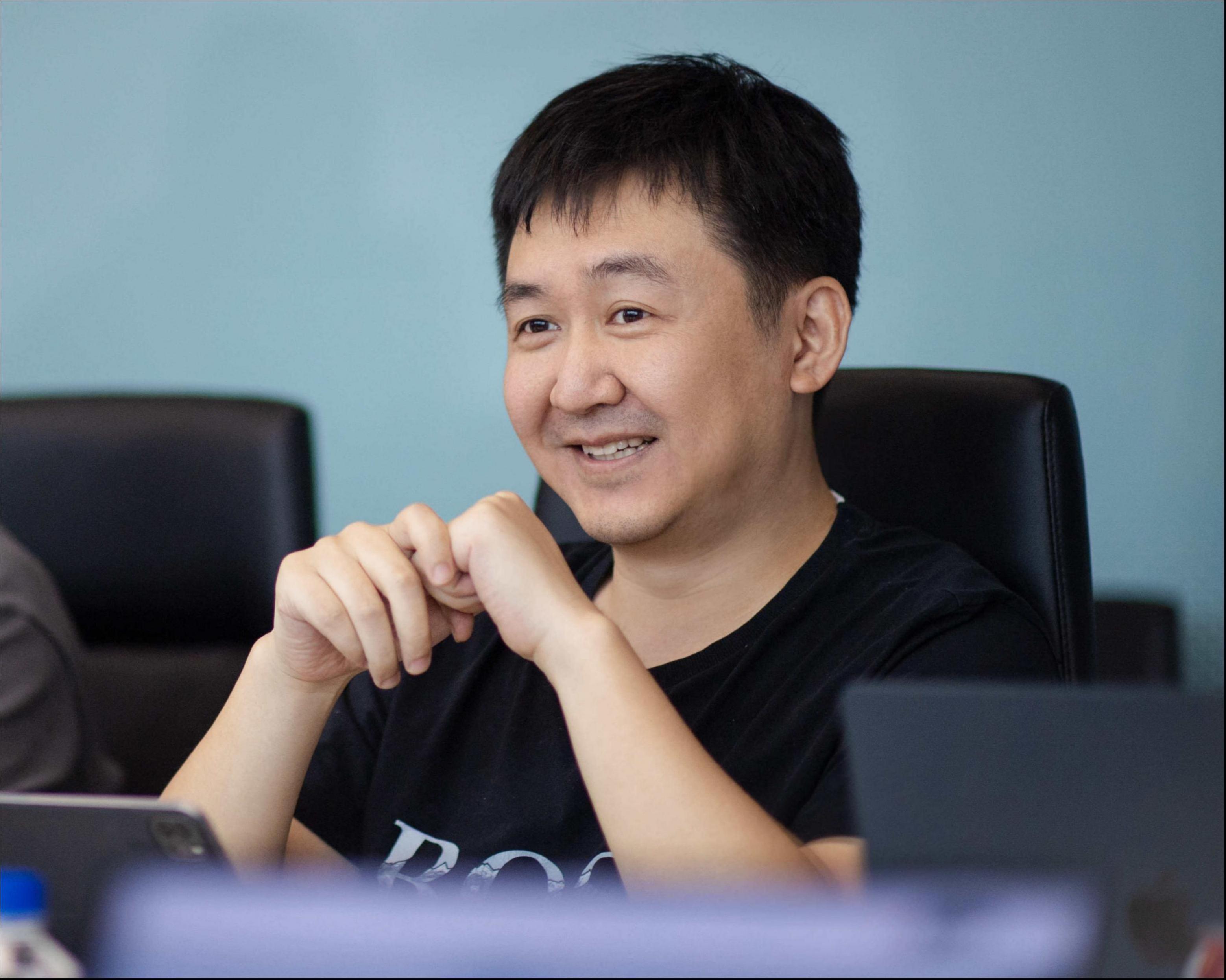
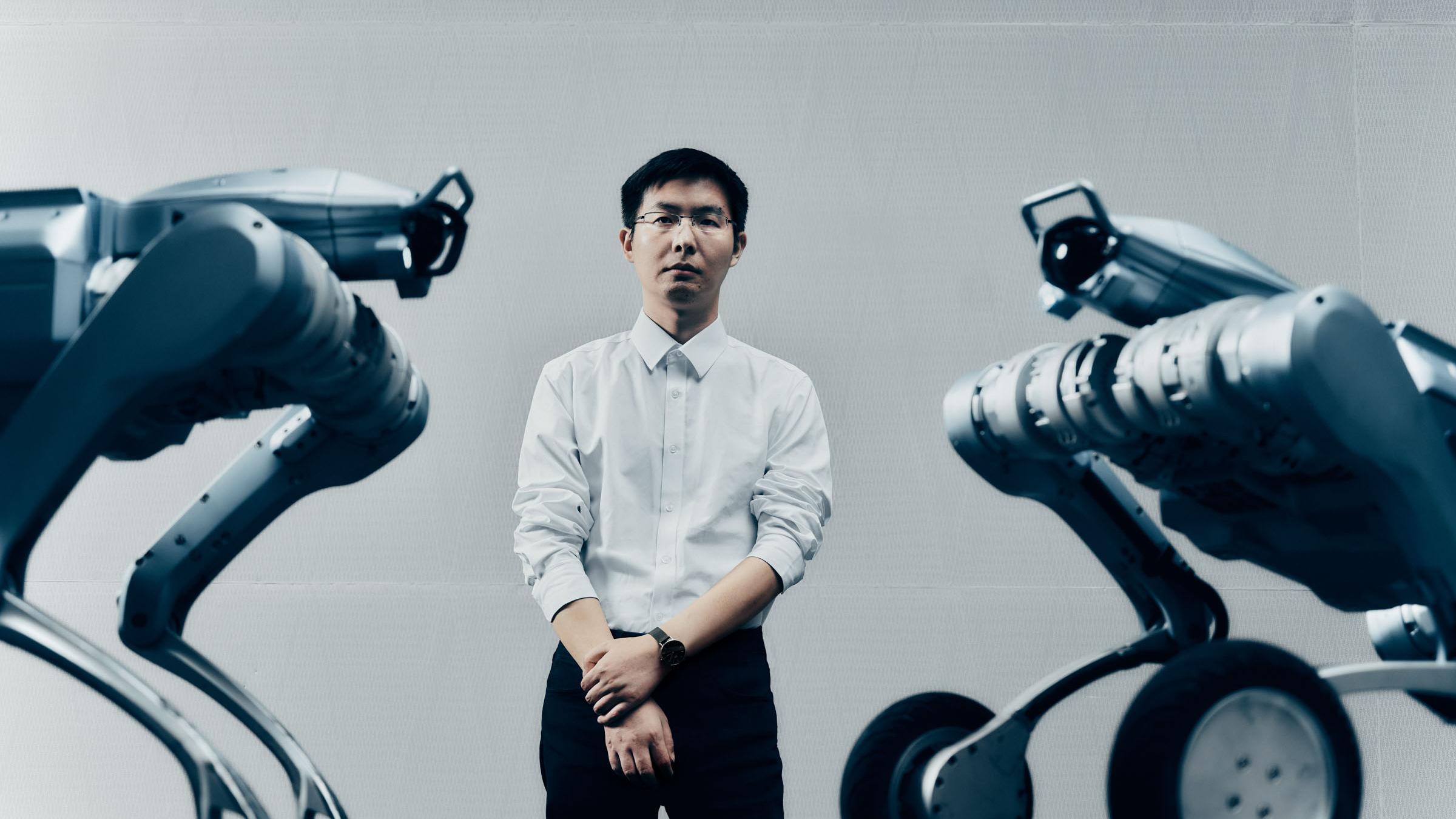
Wang Xiaochuan, Founder and CEO of Baichuan Intelligence
TMTPOST -- After months of silence, Chinese AI startup Baichuan Intelligence, founded by former Sogou CEO Wang Xiaochuan, unveiled its latest large language model on Sunday, targeting the fast-growing AI healthcare market.
The new model, Baichuan-M2, is an open-source, medically enhanced LLM designed for private deployment in clinical settings. To address privacy concerns and cost constraints in healthcare, Baichuan says M2 is extremely lightweight — capable of running on a single RTX 4090 GPU after quantization — slashing deployment costs to about $1,400, or roughly 1/57th of DeepSeek-R1 H20’s dual-node setup. The model is also compatible with mainstream domestic chips, enabling hospitals to roll it out on existing hardware.
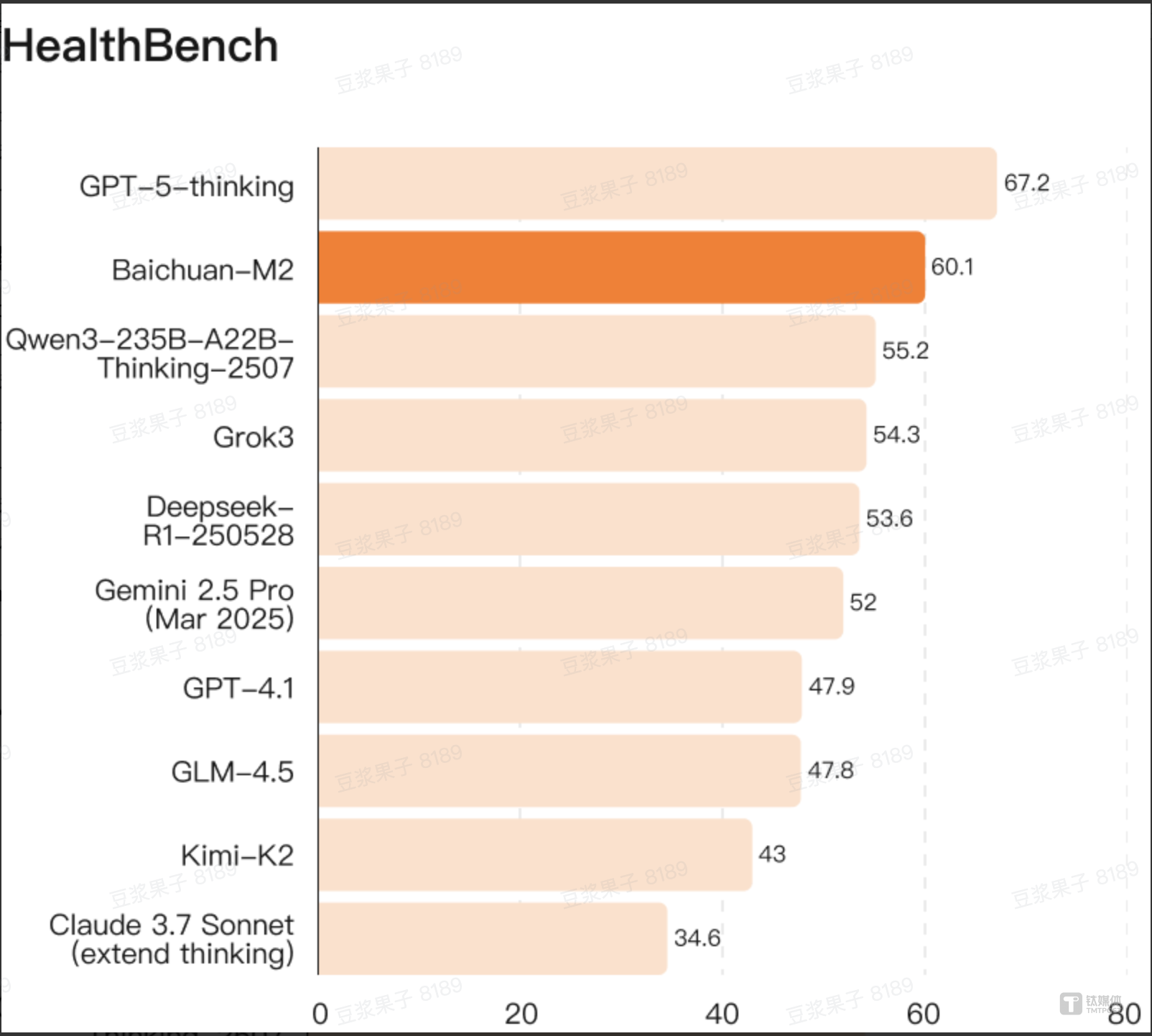
On the HealthBench medical benchmark, Baichuan-M2 scored 60.1, surpassing OpenAI’s gpt-oss120b (57.6) and other open-source leaders like Qwen3-235B and Kimi K2. In a harder subset of the benchmark, which OpenAI debuted with GPT-5 earlier this year, Baichuan-M2 scored 34.7 — making it the second model in the world to exceed the 32-point threshold.
“Building models for life and creating doctors for humanity is Baichuan’s mission,” Wang said, calling medical foundation models the “crown jewel” of AI research. He added that healthcare is the most representative industry for AI’s potential to “create people” — not just tools.
Founded in 2023, Baichuan has raised three funding rounds, including a $690 million Series A in July 2024, and is preparing a Series B at a $2.75 billion valuation. The company has already deployed AI pediatricians in Beijing Children’s Hospital and launched specialized models like the “Futang·Baichuan” pediatric foundation model.
The M2 model introduces an upgraded AI Patient Simulator and boosts processing speeds by 58.5% in critical care and outpatient scenarios compared with its predecessor. In clinical trials, M2 accurately diagnosed complex cases — such as hypothyroidism in a patient with persistent fatigue and neck swelling — based on nuanced symptom analysis.
Baichuan’s launch comes amid intensifying competition in AI healthcare, with ByteDance and Ant Group both rolling out standalone AI medical assistant apps in recent weeks. Frost & Sullivan projects China’s AI healthcare market will balloon from $1.2 billion in 2023 to $42.5 billion in 2033, a 43% annual growth rate.
 LIKE 0