Chelsea_Sun ・ May. 29, 2026
TMTPOST -- If someone asks "Do you know how different farmland rents are around the world?" Zhao Feng, president of GrainCore Dynamics, offered a set of figures: "In Central China's Henan province, annual rent for one mu of land is roughly 500 to 800 yuan. In Hainan province, that number might jump to 2,000 to 4,000 yuan. But if you look overseas—in the U.S., leasing one mu costs only about 200 yuan. And in some extremely fertile areas in Africa, annual rent for one mu can be as low as 2 yuan. With 50 yuan, you can even buy out 99 years of usage rights."
"And Africa has five times as much uncultivated arable land as China, enough to solve the food problem for billions of people," said Zhao.
Zhao isn’t the typical tech-founder storyteller. He’s more of a hands-on operator who’s been through ups and downs but still holds on to a dream: he’s endured the grind of starting his own business, and he has also led major overseas industrial investments for a central state-owned enterprise. What pushed him to enter agricultural robotics wasn’t a business plan, but an absurd reality he witnessed abroad: in Africa, when they bought more than a dozen square kilometers of fertile land to run cultivation trials, they discovered that local people simply didn’t have a habit of planting crops. And training locals to become skilled farmers could take 10 to 20 years.
"Instead of teaching people how to farm, it’s better to do it in one step and let robots do the farming." That thought ultimately led him to go all in on agricultural robots.
The global AI agriculture market was about $4.7 billion in 2024, and projections say it could swell to $46.6 billion by 2034, with a compound annual growth rate of more than 26%. But the reality behind those numbers is that agriculture may be one of the hardest embodied-intelligence tracks to standardize, and one that depends most on on-the-ground decision-making. Zhao said: "What agriculture needs isn’t machines that move according to lines of code, but intelligent agents that can read farmland, understand crops, and adapt to changes in the environment."
In 2022, Zhao and his founding team began laying out their plans in agri-tech, carrying out early-stage technology R&D and building up capabilities. GrainCore Dynamics was officially established in November 2025. Three months later, it completed an angel round worth tens of millions of yuan, reaching a valuation of 500 million yuan.
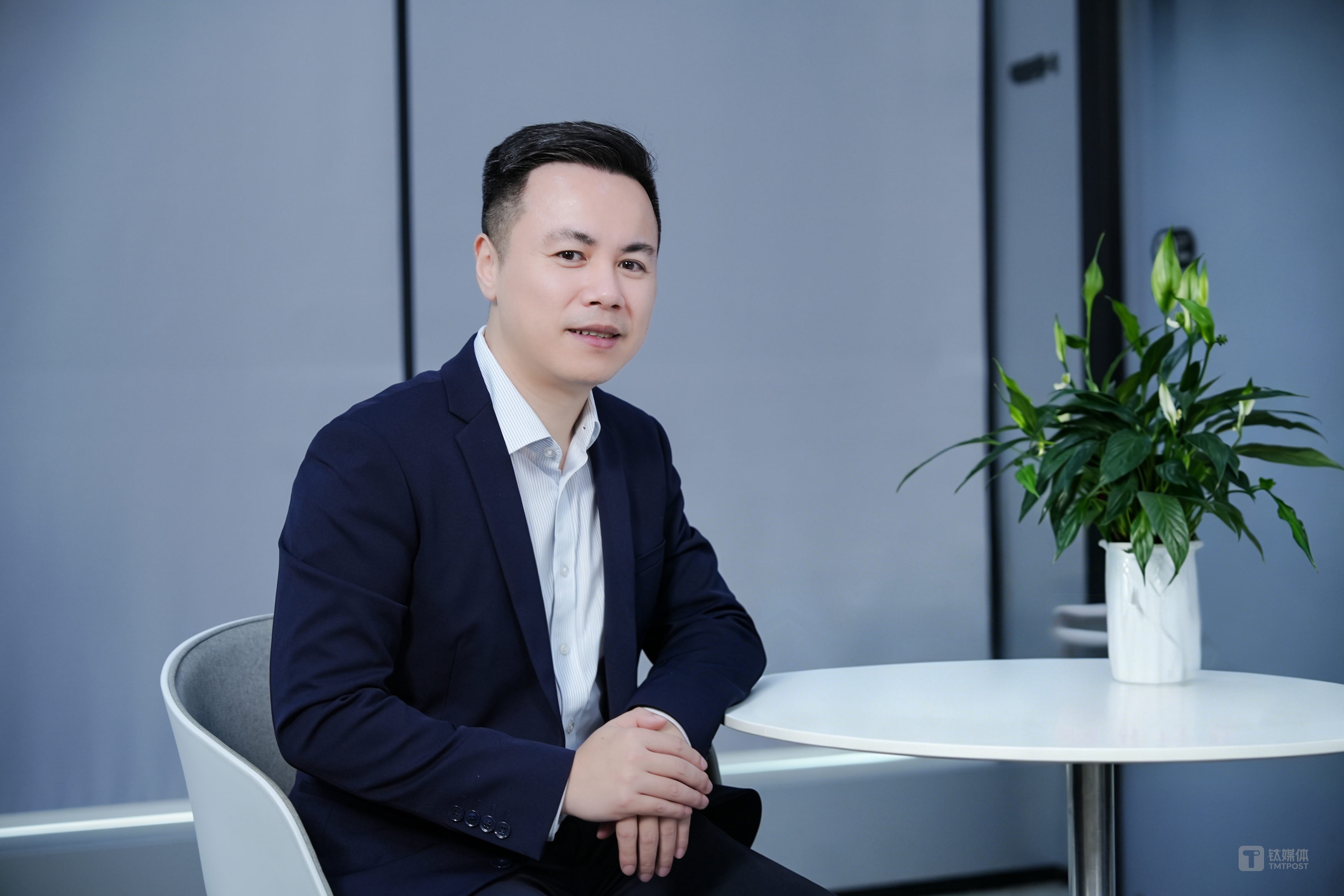
The full transcript of the conversation with Zhao Feng follows, with minor edits:
NextFin News: In a previous interview, you mentioned that you expect global agricultural automation to reach 90% by 2030. How did you arrive at that conclusion?
Zhao Feng: First, the “automation” we’re talking about isn’t automation in the traditional sense; it also includes smart farm machinery with AI-assisted decision-making. Large-scale farms in the world’s major agricultural regions are accelerating the shift toward unmanned operations. China is also vigorously advancing the development of smart-agriculture demonstration zones. In our view, having intelligent equipment cover more than 90% of key farming tasks by 2030 is an achievable goal.
Second, there are still huge disparities in agricultural production models worldwide. U.S. agriculture is already very advanced in automation and intelligence, while parts of Africa are still at the slash-and-burn stage—some places don’t even have established planting habits, let alone an agrarian civilization. In the past, to make use of that land, you first had to train local people to become farmers and teach them how to operate machinery, which could take 10 years, or even 20.
But advances in AI and robotics have been reshaping traditional farming scenarios at a speed beyond what you can imagine. Throughout 2025, breakthroughs in the maturity and cost thresholds of large AI models, computer vision, high-precision sensing, and robotic power systems collectively pushed agricultural robots from “expensive lab showpieces” into “tools that pencil out in the field.” Now, as long as we can rapidly achieve unmanned cultivation, we can skip the step of training locals to do heavy manual labor and truly put Africa’s uncultivated arable land to use.
Agricultural production models in the U.S., China, and other economically developed regions around the world likewise need to move toward unmanned operations—because a farm labor shortage is emerging globally. In China, few young people are willing to engage in traditional agricultural production; in fact, it’s much the same for second-generation farmers in Europe and the U.S. Within the next 5—10 years, the global agricultural workforce may fall off a cliff. If we’re not prepared, we could very well miss this opportunity to overtake on the curve.
That 90% automation rate isn’t really our estimate of technological progress or market growth; given the real state of global agricultural production, it’s the level of intelligence we must reach within the next 5—10 years in order to cope with a globalized food-security crisis.
NextFin News: Compared with industrial settings, what do you think is the biggest difference in agricultural settings?
Zhao Feng: Industrial settings are relatively standardized. The purpose of building a factory is to execute in a standardized way.
Agricultural field operations, however, take place in a far more complex environment with many more variables. Crop height and density, the severity of pests and disease, terrain undulations, lighting conditions, soil moisture—every plot is different, and every season is different. To deploy robots in such a complex environment, the number of parameters that need to be tuned is, in fact, far greater than in a factory setting.
That’s why agricultural robots are considered one of the most difficult scenarios in the embodied intelligence track—they require not machines that simply move according to code, but intelligent agents that can “read” the farmland, understand crops, and adapt to changing conditions.
NextFin News: In agricultural scenarios, what are the main factors customers consider when making decisions?
Zhao Feng: Agriculture is a quintessential cost-sensitive industry—farmers need to see returns on every investment they make.
Specifically: first is the payback period, and generally they’ll only consider it if they can recoup the investment within two years; second is the certainty of operational results—can pesticide drift be controlled, can harvesting losses be reduced, can the job deliver the expected outcome? Ordinary people can see the results clearly; third is product stability and maintenance service, because farming has critical time windows, and once losses occur, they’re irreversible.
In addition, across different regions and different modes of agricultural production, farmers’ considerations can vary significantly.
In China, the single most important consideration is actually yield increase. That’s because agricultural labor is still relatively abundant domestically, so people often don’t factor labor costs into the equation. The most visible cost is land rent, so maximizing yield per unit area is what farmers care about most.
In economically developed countries overseas, it’s quite different—labor costs may be their biggest expense. And with large-scale, mechanized operations using big farm machinery already widespread, boosting yield per unit area is no longer their primary demand. For them, the core objective is comprehensive cost reduction and efficiency gains.
NextFin News: What do you see as the ultimate form of intelligence for agricultural robots?
Zhao Feng: The ultimate form of an agricultural robot isn’t a single machine, but a neural network that uses robots as the execution layer and can reach the entire end-to-end agricultural value chain. From aerial field drones and ground operation robots to underground sensing devices, all interconnected—able to perceive crop growth in real time, issue early warnings about pests and diseases, autonomously devise optimal operating strategies, and execute them with precision—truly becoming an intelligent partner in the field. Once such an autonomous network takes shape, humans will be completely liberated from agricultural production.
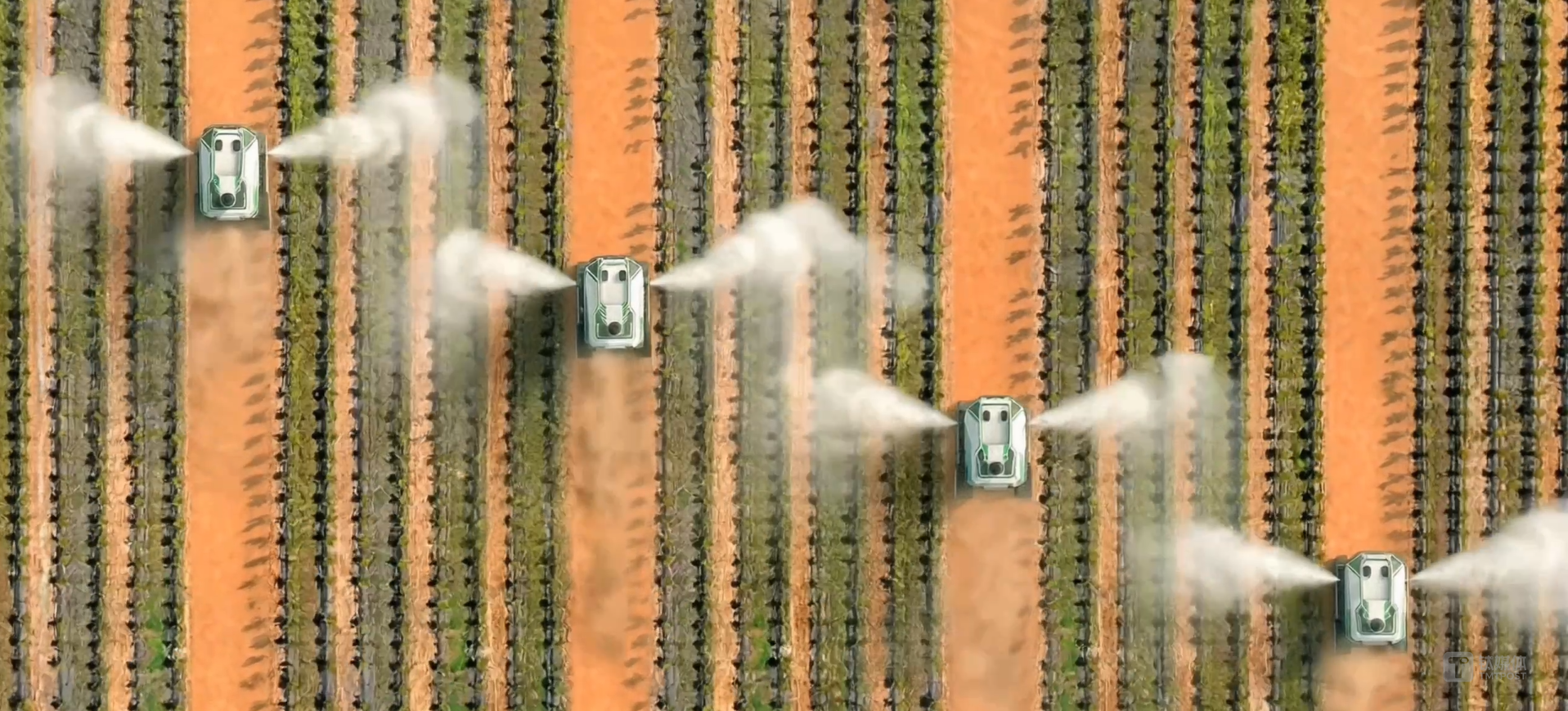
VC: We’ve noticed that Hexin’s robots are used in four scenarios—inspection, weeding, crop protection, and harvesting. At the moment, which category of agricultural robots accounts for the largest share of market demand?
Zhao Feng:Right now, most of the demand is in crop protection.
That’s because across the “plowing, planting, management, and harvesting” cycle, mechanization can already solve most problems in plowing, planting, and harvesting. But when it comes to “management,” once the crops have grown up, a lot of farm machinery can no longer get in. Traditional solutions have to rely on manual labor, so the labor required for crop protection is enormous.
Crop-protection robots can adapt to a wide range of operating environments. Drones, in particular, place even fewer demands on terrain and can replace large amounts of manual labor. At the same time, crop protection directly affects both yield and quality, making it a hard, pay-with-real-cash necessity that farmers are willing to spend on. That makes it the best entry point.
Next are weeding robots. Weed control is becoming the biggest pain point under policies aimed at reducing pesticide use. If physical weeding can be made precise, efficient, and free of pesticide residues, the market potential is enormous. Our weeding robot’s recognition accuracy for major weeds has been raised to 98%. Both our orchard crop-protection robot and weeding robot have been included in our product lineup for external display, and we’re pushing forward with real-world deployment.
Inspection robot dogs and indoor inspection drones are incremental markets. While they currently make up a relatively small share, demand is growing quickly in large-scale farms and facility agriculture. In particular, high value-added scenarios such as plant factories and multi-span greenhouses offer considerable room for growth going forward.
Harvesting robots are a longer-term direction. Commercial rollout in the market still faces relatively high costs and technical challenges, but we’re already seeing signs of breakthroughs in high value-added fruit and vegetable scenarios such as mushrooms and tomatoes.
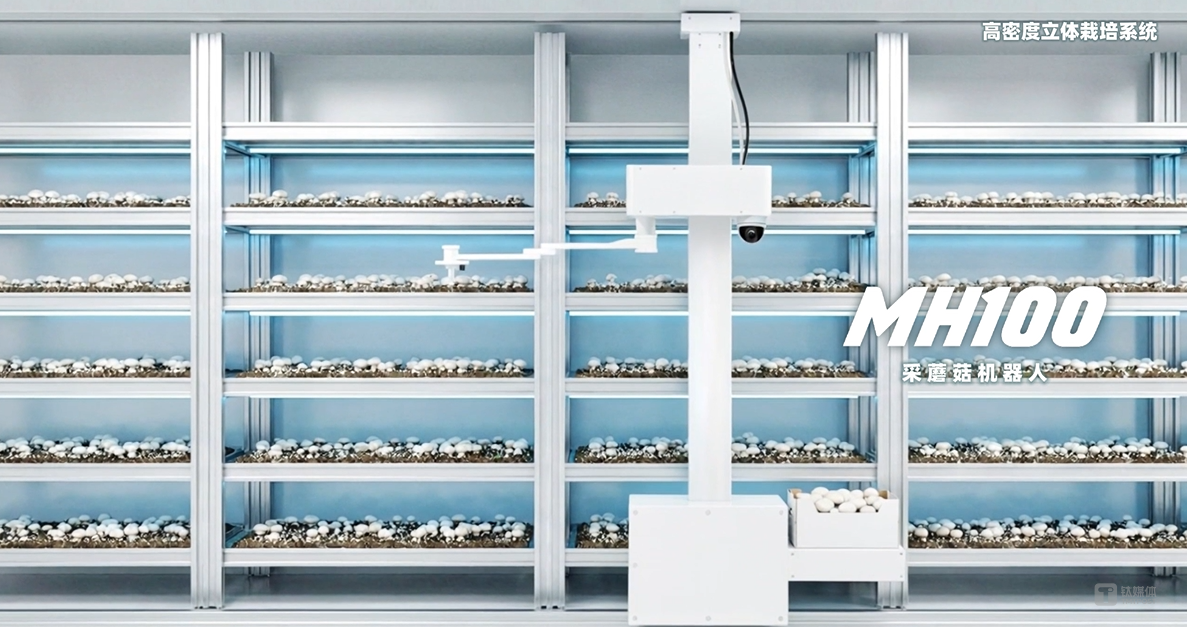
VC Investor: In the agricultural drone space, DJI and XAG already command a very high market share. Where exactly is our differentiated advantage?
Zhao Feng: First, it’s a different technical route. Most mainstream pesticide-spraying drones today use airflow pressure to blow open the leaf surface so the spray can reach the lower leaves. But in reality, many pests aren’t on the leaf surface—most are on the underside of the leaf. GrainCore Dynamics has developed an in-house 50–70 kV “electrostatic adhesion” technology that gives every droplet high-voltage static charge. When those charged droplets penetrate beneath the leaf, they can adhere to the underside. This system is particularly effective for crops with large leaf areas—for example, tobacco leaves.
Second, our product philosophy is different. Mainstream products on the market today are positioned more as efficient automation tools that execute human decisions. What GrainCore Dynamics is building is “embodied intelligence for agriculture,” where AI itself does the understanding, judgment, and decision-making. That way, the drone is no longer just a tool that carries out human instructions, but an intelligent agent that can judge timing on its own, generate an operation plan on its own, and execute it autonomously.
Third, our algorithmic focus is different. Because of the difference in product positioning, mainstream products’ algorithms tend to focus more on obstacle avoidance. GrainCore Dynamics’s algorithm design puts crop growth patterns at the center, focusing more on how to understand agricultural scenarios and generate sound operation plans. In fact, we moved away from the showroom-style, pixel-level pest-and-disease recognition approach, and instead adopted coarse spectral detection plus trend prediction. Combined with crop models from the Chinese Academy of Agricultural Sciences and meteorological data, we compute the optimal operating window. The real value of AI isn’t telling farmers what disease their crops have—it’s telling them “where the problem is, and when dealing with it is most effective and cost-efficient.”
VC Investor: How do you measure the real-world effectiveness of this technology that makes droplets adhere to the underside of leaves? And how hard is it for competitors to copy?
Zhao Feng: We conducted joint experiments with the Institute of Plant Protection at the Chinese Academy of Agricultural Sciences and with China Agricultural University. In real-world operations, this system can reduce pesticide use by 30% while achieving the same level of pest control, and it also shortens operating time—one pass can complete the job, without needing a separate underside-spraying step.
Essentially, what we sell isn’t a piece of hardware, but an integrated “knowledge + algorithms + hardware” system. Behind the solution is a long-term accumulation of data assets and agronomic know-how. Competitors may find it easy to copy the hardware, but replicating the entire methodology requires at least a 3–5 year runway of accumulation—including growth data collected through extensive field trials, a patent strategy, the depth of collaboration with academicians of the Chinese Academy of Engineering and Zhejiang University, and experience covering diverse crop scenarios worldwide.
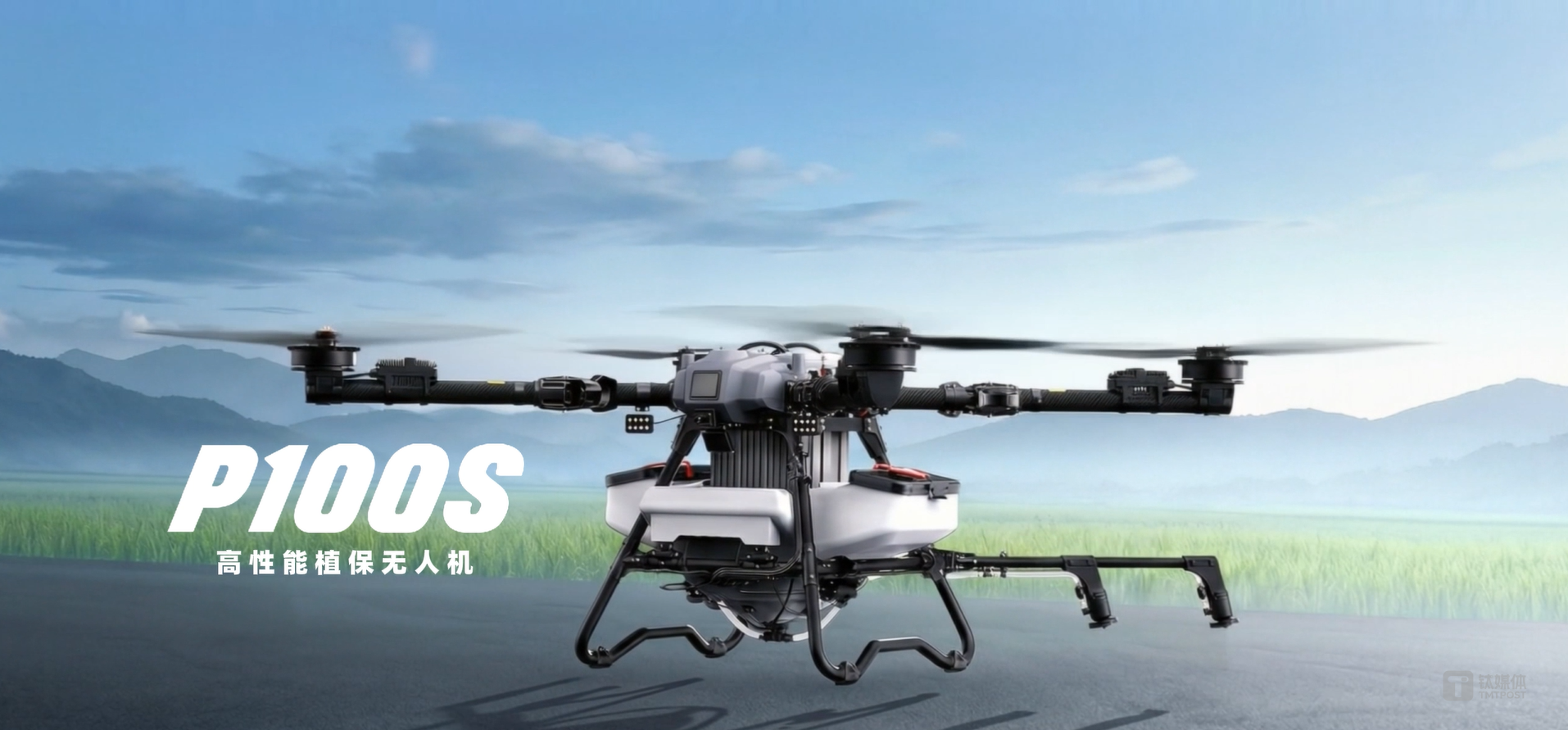
NextFin News: The mushroom and tomato harvesting scenarios Hexin has chosen are a “standard form” of agricultural industrialization. Does that mean they’re relatively simple scenarios? Will agriculture in the future all evolve into an “industrialized” form?
Zhao Feng: Mushroom and tomato harvesting are relatively standardized, but by no means simple. They’re regarded by investors as the standard form of agricultural industrialization because indoor cultivation of these two crops is already very mature: controllability is extremely high in areas like lighting, temperature, humidity, and row spacing, which reduces the complexity of robotic perception and decision-making. That’s why they’re “top-student scenarios” within agricultural industrialization.
But the picking action itself places extremely demanding requirements on force control, compliant gripping, speed, and success rate, and operational efficiency is still very low. There is still a long way to go before it can be commercialized at scale.
In our view, in areas such as vegetables, fruit, and high-end cash crops, the trend toward industrialization is irreversible, because these segments have the strongest demand for quality, yield, traceability, and sustainability—and consumers are also willing to pay a premium for standardized agricultural products. But for broad-acre crops such as grains and oilseeds, improvements in farm machinery and the penetration of intelligent technologies will move in the direction of lower cost, and may not require fully shifting to greenhouse-style, precisely controlled environments. Every agricultural scenario should evolve in the direction that best suits it, rather than forcing the same “industrialization” template onto all of them.
NextFin News: At present, how is GrainCore Dynamics allocating investment across its product lines—drones, robots, and smart terminals?
Zhao Feng: Our strategy is “heavy on drones + deep focus on robots + smart terminals in reserve.”
Drones are currently the most commercially mature segment, spanning multiple operating scenarios such as crop protection, lifting/hoisting, and inspections, and they have already been delivered and validated in real agricultural environments. Robots, meanwhile, are focused on high-barrier scenarios such as orchard crop protection, weeding, and harvesting—targeting more narrowly defined, must-have labor-replacement needs. R&D investment is on par with that for drones, forming a “two-legged” product-line layout. As for smart terminals, we’re maintaining a follow-up strategy, continually tracking the latest developments in agricultural IoT and edge computing. Investment in this area is relatively cautious, and it mainly serves as foundational capability building.
In terms of product cadence, our near-term priority is to promote a robot product portfolio and a drone lineup that cover the full end-to-end workflow of cultivation, management, and harvesting. They span five major scenarios—crop protection, inspection, picking, transportation, and weeding—running through the entire value chain.
NextFin News: How far along are Hexin’s 2026 order and fundraising plans?
Zhao Feng:So far, progress across the board has been pretty solid. On the fundraising side: we completed the first round three months ago. On the orders side, we already have RMB 200 million in orders and are delivering them step by step.
NextFin News: What is GrainCore Dynamics’s ultimate vision?
Zhao Feng:To free human hands through cutting-edge technology—we’re not just building machines; we’re enabling people to break free from repetitive labor so they can create a better life.
 LIKE 2