Chelsea_Sun ・ 6 hours ago
NextFin News — Latin America keeps being described as the last open field in global e-commerce. The demographics help the case: young populations online, cities already dense, middle classes expanding, digital retail still a smaller slice of total spending than in the United States or China. Annual growth rates near 20 percent in Mexico and Brazil make the spreadsheet glow.
What the spreadsheet does not show is how quickly a cargo-container strategy ages. Shoppers in Mexico City installment-price a phone before they fall for a slogan. Shoppers in São Paulo will return a bargain that fails in the first week—and sometimes escalate. Information travels. Marketplaces make comparison trivial. Tolerance for being treated as a secondary dumping ground is low.
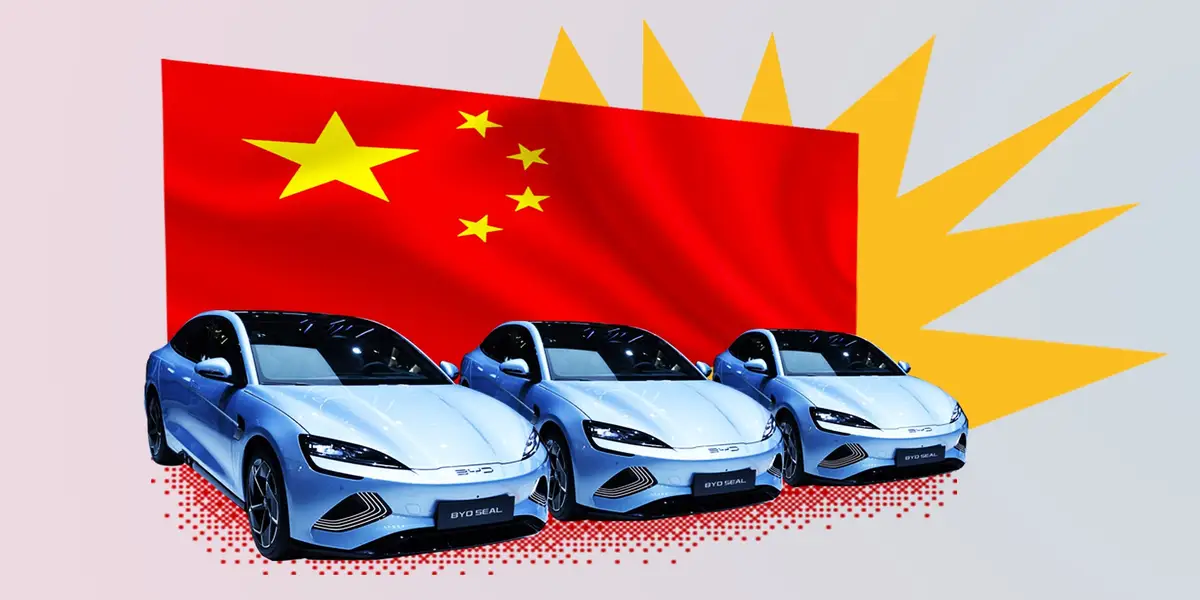
Chinese consumer goods already sit in plain sight. Budget tea chains open to queues. Electric cars, phones, televisions and food-delivery apps no longer read as exotic in Brazilian street life. Forum chatter returns to value and a sense of current technology. Research firms that poll the region add a harder edge: people remain price-sensitive, yet they will pay more for brands that feel coherent—and they punish opacity in shipping and authenticity.
The operators who publish honest numbers describe a two-step education. First, which catalog items survive contact with local housing, hair, voltage and credit habits. A security-camera line that thrived on U.S. suburban doorbells found Mexico more receptive to multi-camera kits for whole-home coverage, simpler configurations for lower average checks, and installment-friendly pricing. Features drifted toward family gatherings as much as toward intrusion alarms. A personal-care brand that imported China’s high-crown styling logic into Brazil met coarse, heat-hungry hair and a preference for shaping over speed-drying; bundles, temperatures and plugs had to change before a hundred-dollar price point made sense.
Second, how much company you must become in-country. Mexico’s economy is braided into North American production and standards. Cross-border inventory, platform fulfillment and a responsive service desk—sometimes staffed regionally rather than nationally—can be enough to build review equity, especially when American ratings already carry weight with Mexican buyers. Brazil’s scale and internal inequality push the other way. Online spending concentrates in the southeast; the north and northeast lag on logistics. Brands that want more than a coastal beachhead often hire locally for warehouses, operations and care, outgrowing the headcount they keep at home. Neither model is a moral hierarchy. Each is a bet on economic geography.
Regulation is compressing the timeline for everyone. Mexico’s tax identity rules increasingly separate merchants who can stay visible on platforms from those who cannot. Registration is slow; starting late is a strategy only for people who like surprise bills. Brazil asks for local corporate substance if you intend to operate as more than a tourist. Accounting, payroll and the distance between written law and practice eat calendar months. Veterans of both markets sound less like growth hackers than like people who have paid for an education in paperwork.
Platforms still matter as pipes—ads, warehouses, payment rails, occasional fee holidays—but they do not substitute for judgment about what to sell and how deep to plant the flag. The merchants already clearing seven figures a year on the main local storefronts have multiplied. So has the competition. The easy arithmetic of cheap goods and thin presence is giving way to a duller craft: fit the product to the household, match the organization to the map, and assume the tax authority will arrive before the next promotion calendar does.
Latin America has been called the country of the future for longer than most of its current online shoppers have been alive. Chinese brands are not resolving that historical argument. They are running a narrower experiment: whether disciplined sellers can turn a fast-growing digital shelf into something that still works when the novelty—and the regulatory forbearance—wears off.
 LIKE 0